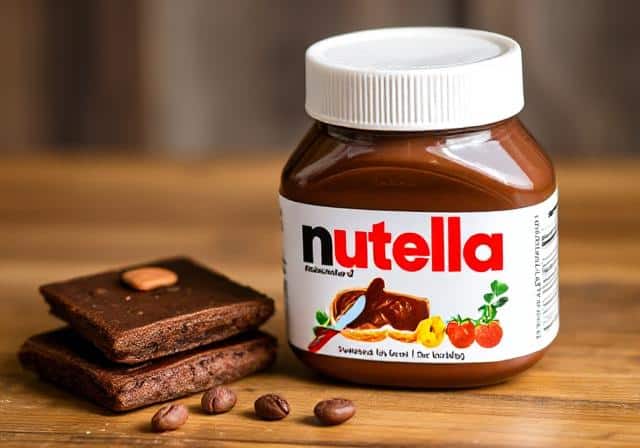
As a dog owner, it’s natural to want to share your favorite snacks with your furry friend. However, not all human foods are safe for dogs—and Nutella is one of those treats that should be kept far away from your pet. While it might be a delicious spread for people, Nutella poses several health risks to dogs.
What is Nutella Made Of?
Nutella is a chocolate-hazelnut spread that contains the following main ingredients:
-
Sugar
-
Palm oil
-
Hazelnuts
-
Cocoa powder
-
Skimmed milk powder
-
Vanillin (artificial flavor)
-
Lecithin (emulsifier)
While none of these ingredients are particularly harmful to humans when consumed in moderation, they can have a very different effect on a dog’s body.
The Biggest Danger: Chocolate
The most dangerous ingredient in Nutella for dogs is chocolate. Chocolate contains theobromine, a stimulant that is toxic to dogs. Unlike humans, dogs process theobromine much more slowly, which allows it to build up to toxic levels in their systems. Even small amounts of chocolate can cause serious health issues for dogs, such as:
-
Vomiting and diarrhea
-
Increased heart rate
-
Muscle tremors
-
Seizures
-
In severe cases, even death
The exact amount of chocolate that can be toxic depends on a dog’s size and breed, but it’s better not to take any chances.
Sugar and Fat Content
Even if the cocoa content in Nutella is relatively low, the spread is packed with sugar and fat, which can still be harmful. Dogs are not adapted to high-sugar diets, and consuming sugary foods regularly can lead to:
-
Obesity
-
Dental problems
-
Pancreatitis (inflammation of the pancreas)
-
Diabetes
Palm oil, a key ingredient in Nutella, is high in saturated fat. It can upset a dog’s stomach and, in some cases, cause digestive blockages or fatty liver disease if consumed in large amounts.
Hazelnuts and Other Ingredients
Hazelnuts themselves are not toxic to dogs, but they are high in fat and can be a choking hazard, especially for smaller breeds. They can also cause gastrointestinal distress, including vomiting and diarrhea. Additionally, artificial flavorings like vanillin and emulsifiers found in Nutella have no nutritional benefit and can be hard on a dog’s system.
What to Do If Your Dog Eats Nutella
If your dog accidentally eats a small lick of Nutella, monitor them closely. A tiny amount may not be fatal, especially for larger dogs, but it’s always best to contact your veterinarian for guidance. If your dog has consumed a significant amount, especially if they are small or sensitive, seek veterinary help immediately.
Symptoms to watch for include restlessness, vomiting, rapid breathing, or seizures—these require prompt medical attention.
Final Word
While Nutella might be a delightful treat for humans, it is not safe for dogs. The combination of chocolate, sugar, and fat makes it a risky choice that could lead to serious health problems. When in doubt, stick to treats specifically designed for dogs, and always prioritize their health and safety over sharing your snacks.